
Here’s the thing about revelations; it’s supposed to be this grandiose realization that becomes the foundation of your current beliefs. You’ve mapped things out. One plus one equals two and nobody can tell you any different. But as time runs its course, the paradigm starts to shift. One nagging fact quickly gives birth to a domino train of consistencies that you can no longer ignore, and then suddenly it all clicks into place. Dramatics aside, if you want to get down to the nitty gritty- I’ve completely changed my opinion on what it means to be sustainable.
While it may seem like a miniscule revelation, to me, it’s been the foundation of my fashion thesis whenever I shop for new clothing. I’ve written dozens of articles upon the subject, spent hours gathering research and watching a lot of documentaries. I’ve always pointed the finger towards fast fashion. Don’t get me wrong, it’s still problematic. Changing the way we manufacture our Adidas sweatpants has to be aligned with eco-friendly and ethical labour practices.
In my teenage years, I rarely shopped for new clothing at the mall. You could see me perusing through aisle upon aisle at my local thrift store. For many fashion nerds, it’s a cheap and ‘environmentally friendly’ way to try out new trends and styles. I hate to say this- particularly because it’s a phase in my life that I still cringe thinking about- but I was able to get into that cutesy kawaii Japanese trend by shopping at my local Value Village. I completely avoided sites like YesStyle or AsianiCandy.
But as I grew older, I found myself generally unhappy with my style. I had too many clothes in the closet that often didn’t match- and if they did, it would take a good amount of time to find what pieces looked good together. I essentially had 4 or 5 different fashion styles I loved converged in one tiny wardrobe. I had no focus, mostly because I believed that fashion gave me the power to wear whatever I wanted.
It wasn’t until a random Tik Tok video landed on my for you page. In what I found to be a generally defensive tone, this woman was arguing that fast fashion isn’t the problem- it’s all big brand companies like Apple and Amazon that essentially do the same thing. I thought to myself, ‘well, everyone has to start somewhere right? I won’t judge someone if they decide to start things small with fashion and work their way up.’
I then countered the fact that most people can’t afford sustainable fashion brands, as they are generally expensive. But then people argued that if you can afford $200 worth of Shein inventory, you can afford to shop at these eco-friendly companies. However, that’s not a fair comparison. $200 gets you multiple sets of t-shirts, jeans, and dresses at Zaful. In comparison, $200 gets you maybe one pair of jeans and t-shirt at Reformation.
But Sophie, you may be thinking, these fast fashion brands usually produce low quality clothing that’ll only last you for a few years! I can’t really vet for that, considering I used to own two Old Navy Jeans that lasted throughout my elementary school years. I didn’t discard them because I found rips in them, I gave them up because I simply couldn’t fit in them anymore as I aged.
The debate of what is sustainable and what is not is clusterfuck. I found myself hating these people who had the money to afford these eco-friendly brands and bragging how they only commit to environmentally friendly clothing. I’m broke, I can’t afford House of Sunny and the Girlfriend Collective. And so I was left with a general confused buzz of what exactly to do, as I already knew that thrifting for 40 additional clothing pieces for my already full wardrobe wasn’t going to make me truly happy.
And then I realized the true culprit behind the crime- and wasn’t it already obvious to us from the very beginning? Trends, more specifically, the way our society views and discards them. Trends basically go hand in hand with fashion, as seasonal collections determine what’s in and what’s not. Social media plays a big part in what is considered popular. For instance, the 90s trend has come back in full force with scrunchies, bright TV colors, and highwaisted everything. On top of that, it branched to other core aesthetics, such as Y2K and cupid core.
Trends aren’t sustainable, which sounds more obvious the more than I think about it. As each upcoming generation dictates the direction of the way we should dress-our love of a certain aesthetic seems to die and wither away as we gravitate to something that’s new and exciting. I’m positively sure that clothing trends like funky print pants, inverted stitching, and corset tops will end up on an obscure top 10 list of ugly fashion that 2021 kids wore.
I’m not saying that following trends are bad, it’s an inherent part of being human. We like things that are shiny and new. To plain it simply- no matter how ‘alternative’ you think you are, your tastes are more mainstream than you think. It’s perfectly fine to like one or more aesthetics, it actually makes you look more adventurous in the long run. While it’s impossible to fight against the current, there’s one solution that everyone can try out.
It’s called moderation.
You don’t have to empty out your wallets to purchase a sustainably made jacket. You don’t have to make a weekly thrift store trip every time you want to invest in another trendy wardrobe. Like eating chocolates, everything is better in moderation. Instead of buying more, challenge yourself to only include items that you know you will wear. Pick clothing that you think will last you a long time. Choose styles that are timeless, and can pair with various outfits.
Slow fashion is not only defined by buying sustainably made, eco-friendly brands. It’s about slowing down your consumption. If you buy dozens of clothing pieces from environmentally friendly brands- yes, you are a more conscious consumer, but if you don’t end up wearing them all that often, it’s still considered wasteful.
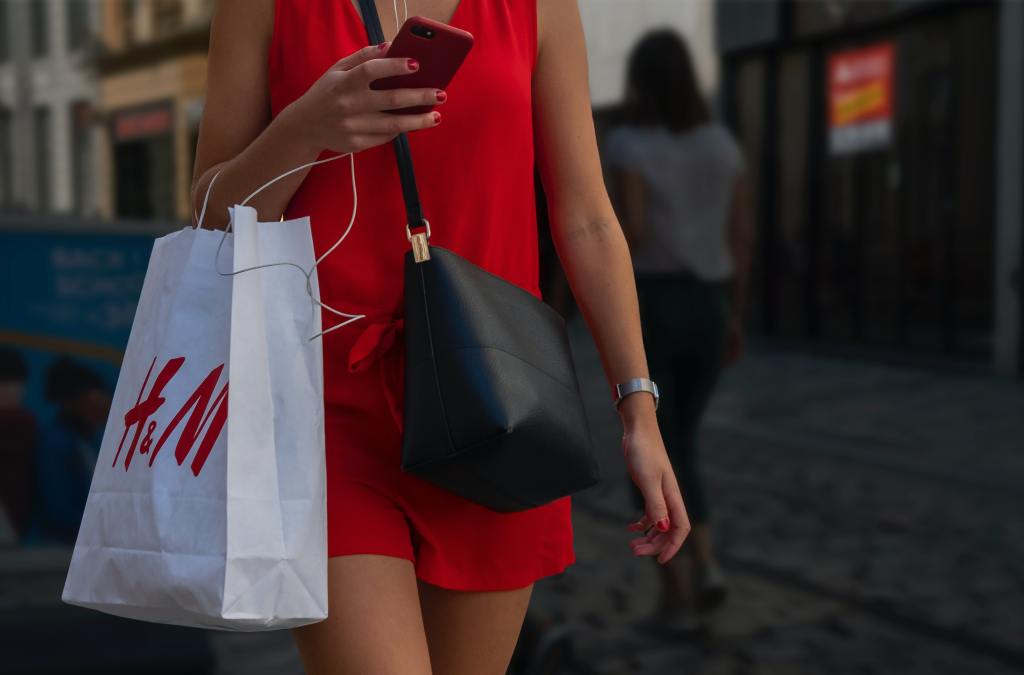
So please, let’s stop shaming people left and right if they buy clothing from H&M or Forever 21. The best way to save your wallet and keep the planet happy is to be excruciatingly picky in your decisions.
 Sophie's Fashion Blog